
Benzodiazepine Overdose: Everything You Should Know
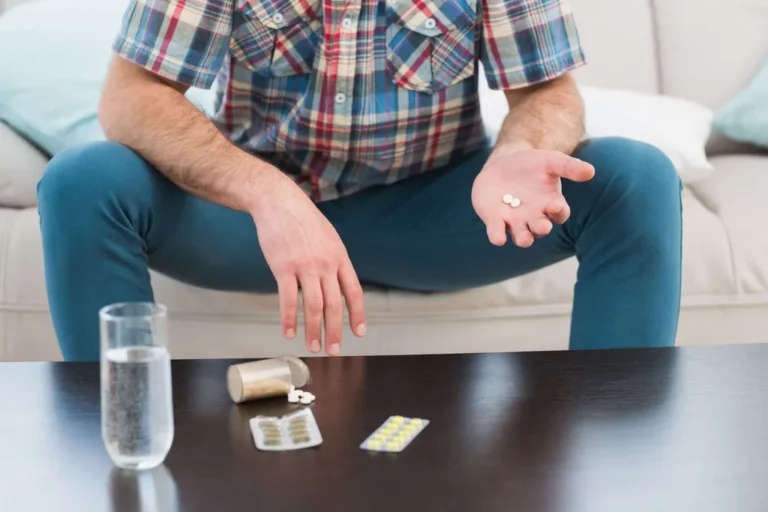
In recent years, the problem of benzo abuse has become increasingly pressing in the United States. According to research, approximately 18% of Americans misuse these substances. The most dangerous complication of such irresponsible intake is benzodiazepine overdose, which may be fatal. The risk boosts when mixing sedative medications with other substances. Below, we discuss the main factors of abuse and how to reverse benzodiazepine overdose.
Understanding Benzodiazepine Classification
Benzodiazepines are sedative-hypnotics that form bonds with gamma-aminobutyric acid (GABA) receptors and act as central nervous system (CNS) depressants. Doctors most often prescribe Valium, Klonopin, and Xanax. These medications have varying effects, but all of them calm the nervous system.
In many countries, including the United States, it is classified as a controlled medication, meaning a prescription is required to purchase it. Possession or purchase of such medications is illegal. Such strict control stems from the fact that these substances can have dangerous effects, especially when overdosed.
Every year, doctors in the United States write over 92 million prescriptions for these substances for patients with mental health disorders. Some individuals use benzos non-medically to experience a narcotic high or to enhance the effects of strong liquors and opioids. Sedatives may also alleviate the side effects of cocaine use, but their simultaneous intake might quickly lead to dependence and severe benzodiazepine withdrawal symptoms.

Take back control of your life and start on the road to recovery now.
Can You Overdose on Benzos?
Some patients report benzodiazepine overdose. However, the risk is minimal if you follow the recommendations and avoid using nonbenzodiazepines and other drugs that enhance their effects.
If you exceed the dosage prescribed by your doctor, the risk of intoxication increases. The danger also rises when mixing benzos with substances that have similar side effects, including strong drinks and opioids.
Generally, overdose deaths are not limited to benzos. About 80% of fatal cases are due to opioids, and only 5% are benzo overdose deaths.
Any benzodiazepine use disorder can lead to intoxication, but these compounds may vary in the method of administration and duration of effect. Thus, alprazolam offers an immediate and intense effect, while diazepam has a milder effect.
Let’s consider several possible benzodiazepine overdoses. Valium is a long-acting substance that accumulates in the body. Patients should be aware that it may interact with other substances for a long time after stopping use. Another example is Xanax. It is the most common cause of overdose. Its misuse can lead to serious consequences, including hospitalization and ventilator support.
Mixing Benzos with Other Substances
People with benzodiazepine misuse often develop tolerance, which negatively impacts the effectiveness of the drug. If their usual medications don’t provide the same effect, patients seek a combination of substances to boost it.
Benzos and alcohol are the most popular combination. Both substances affect the brain and have a sedative effect. Taking two depressants simultaneously impairs cognitive performance, which may lead to riskier behavior. This combination may cause nausea, seizures, a heart attack, and other side effects.
Some patients use benzos and other prescription drugs to achieve a sedative effect. Taking multiple benzos increases the likelihood of adverse effects, including confusion, depression, and drowsiness.
Sometimes, benzodiazepine toxicity is caused by combining sedatives with opioids, including methadone, oxycodone, or heroin. This combination has a serious negative impact on the body and can be fatal. In recent years, benzos have increasingly been added to illicit opioids. It means that users may not even be aware of this combination.
Benzodiazepine Overdose Symptoms
Benzodiazepines typically cause CNS depression. Signs of benzo overdose can range from mild to severe and may be aggravated when mixed with other compounds:
- drowsiness and lethargy,
- confusion,
- slurred speech,
- motor and balance impairment,
- dizziness,
- loss of consciousness,
- weak pulse,
- hypotension,
- slow breathing,
- cardiac arrest.
If you or someone else has a benzodiazepine overdose, call 911 as quickly as possible.
Benzodiazepine Overdose Treatment
Modern medications are generally safe. It means that a severe overdose is rare unless combined with other drugs. In most cases, constant monitoring and supportive care are enough to manage any complications.
- Airway and breathing control. If the patient experiences respiratory depression or loses consciousness, they will require airway protection. The patient should be positioned to prevent aspiration of vomit. In more severe cases, medical personnel provide supplemental oxygen or connect the patient to a ventilator.
- Cardiovascular monitoring. In the case of an overdose, it is crucial to monitor blood pressure and pulse. If blood pressure is low, doctors administer intravenous fluids.
- Testing to define concomitant poisoning. Severe overdoses are typically associated with the combination of benzos with other substances, such as alcohol or opioids. Medical personnel diagnose and treat concomitant poisoning.
It is crucial to know what reverses benzo overdose. If an opioid overdose is suspected, doctors prescribe naloxone (Narcan). This substance is harmless in the absence of opioids and can improve the patient’s well-being in their presence.
Flumazenil is a specific benzo overdose antidote. It eliminates sedation and blocks benzodiazepine receptors in the brain. This substance is not used for intentional overdoses. Flumazenil is used to relieve sedation after medical procedures or in cases of accidental ingestion, especially in children. It is also effective in severe intoxication if the patient has not taken benzodiazepines regularly.
Flumazenil has significant risks that often outweigh the benefits, especially after an intentional overdose. If the patient is dependent on benzodiazepines or is taking other proconvulsant concurrently, flumazenil might trigger seizures.
Furthermore, the drug has a minimal half-life, so the patient may briefly awaken and then relapse into deep sedation or respiratory depression. Such a condition requires constant monitoring and repeated administration of the medicine.
Typically, in cases of benzodiazepine overdose, supportive care is considered the most effective treatment.
Tips for Lowering Possible Risks of Addiction
If you or a family member is taking benzos, there are several steps you can take to sidestep overdose.
- Strictly follow the prescribed dose. Never take more than the dose prescribed by your doctor.
- Use for the shortest possible time. Benzodiazepines are generally intended for short-term consumption. Long-term use significantly boosts the risk of developing physical dependence.
- Notify all healthcare professionals. Ensure that all doctors you contact are aware of the dose and frequency of your benzodiazepine. It will prevent dangerous reactions with new medications.
You can use official drug take-back programs or pharmacies to dispose of unused or expired pills properly.
This can be a difficult journey, but you don’t have to go it alone. Let us be your guide and provide you the environment needed to regain control of your life and begin the path to recovery.
Final Words
Today, effective benzodiazepine overdose treatments exist. Depending on the severity of the disorder and individual factors, medical staff may choose one or more treatment levels. Rehabilitation often begins with detoxification, as abrupt withdrawal from the drug causes acute symptoms.
Individuals who have completed treatment can continue their adaptation and move temporarily to Eco Sober Houses. It is a safe and clean space for people who have chosen a sober lifestyle. Your path to sobriety will be easier with a structured lifestyle and ongoing communication with people who understand you.

About Author